
Best Exercises for Joint Pain Relief: Gentle Movements That Really Work
Lifestyle & Arthritis Arthritis, Exercise, Joint Pain, Mobility, Physical Therapy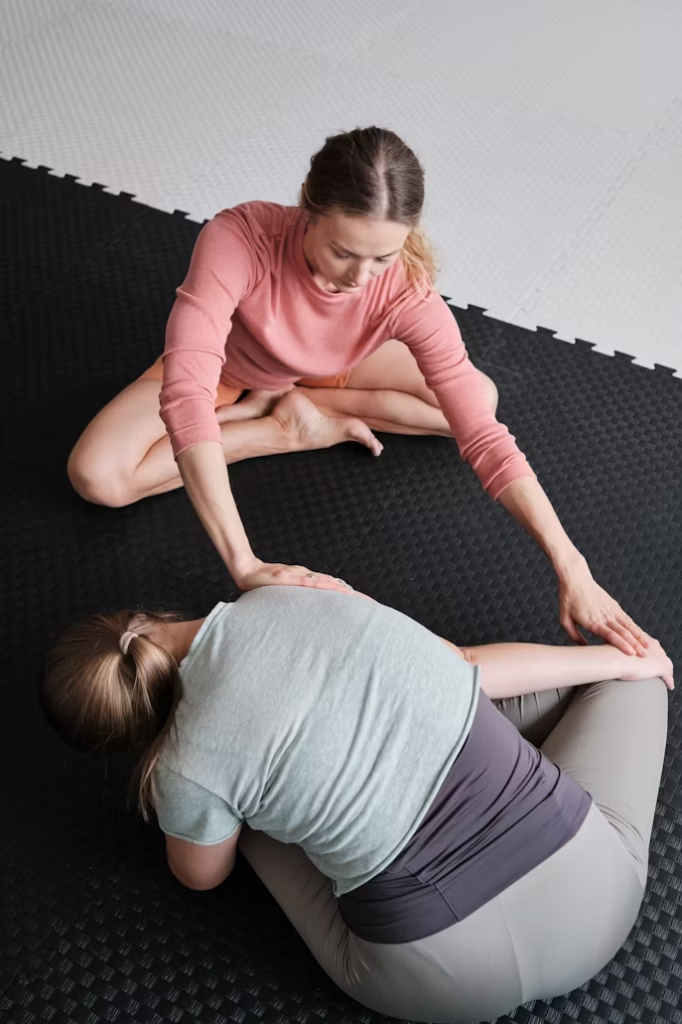
Introduction
Many people living with arthritis wonder if exercise might make their pain worse. In fact, the opposite is true — the right kind of exercise can reduce stiffness, improve flexibility, and strengthen the muscles that support your joints.
The key is to focus on gentle, low-impact movements that keep you active without aggravating inflammation.
Let’s explore the best exercises for joint pain relief that truly work.
1. Why Gentle Exercise Is Important for Arthritis
When you move your joints regularly, you stimulate blood flow, deliver nutrients to cartilage, and prevent stiffness.
Exercise also releases endorphins — natural painkillers that improve mood and reduce fatigue.
Even patients with rheumatoid arthritis or osteoarthritis benefit from consistent low-impact activity.
The goal is not intensity, but consistency.
2. Range-of-Motion Exercises for Flexibility
Range-of-motion movements help reduce stiffness and keep joints flexible.
Examples include:
- Shoulder rolls: Slowly rotate shoulders forward and backward.
- Ankle circles: Gently rotate ankles to improve mobility.
- Wrist flexion and extension: Move wrists up and down to prevent stiffness.
These simple motions are safe to do daily and especially helpful for morning stiffness, as discussed in why morning stiffness happens in arthritis.
3. Low-Impact Aerobic Workouts
Aerobic exercise boosts circulation and heart health without stressing the joints.
Good options include:
- Walking: Try short sessions on flat surfaces.
- Swimming or water aerobics: The buoyancy of water supports body weight and reduces joint strain.
- Cycling: Stationary bikes provide a controlled, low-impact workout.
Even 20–30 minutes, 3 times a week, can significantly reduce inflammation markers.
4. Strength Training for Joint Support
Building muscle helps stabilize joints and prevent further damage.
Focus on light resistance bands or body-weight exercises such as:
- Wall push-ups (for upper body)
- Seated leg lifts (for knee support)
- Resistance band rows (for shoulder and back strength)
Start slow — 2–3 sessions per week — and increase gradually.
If you experience swelling or prolonged pain, rest and consult your doctor before resuming.
5. Stretching and Mind-Body Exercises
Stretching relieves tightness and improves posture.
Mind-body practices like yoga or tai chi combine movement with deep breathing, promoting relaxation and joint stability.
Gentle yoga poses such as “Cat-Cow” or “Child’s Pose” are excellent for spinal mobility.
These exercises are not only physical but also reduce stress — an important factor in controlling arthritis flares, as discussed in can stress worsen rheumatoid arthritis symptoms.
FAQ Section
Q: Is it safe to exercise during an arthritis flare-up?
Mild stretching is usually safe, but avoid intense workouts. Listen to your body and rest if pain increases.
Q: How long should I exercise to see results?
Most patients notice improved flexibility and less stiffness after 3–4 weeks of consistent, gentle movement.
Q: What’s the best time of day to exercise?
Mornings are ideal, as they help reduce stiffness and improve blood flow for the rest of the day.
Conclusion
So, what are the best exercises for joint pain relief?
Gentle, low-impact activities like swimming, walking, stretching, and yoga can make a world of difference.
Consistency matters more than intensity — small daily movements help joints stay flexible and pain-free.
Before starting a new routine, consult your healthcare provider or physical therapist.
For more guidance, see the NIH Physical Activity and Arthritis Resource.