
The Complete Anti-Inflammatory Diet for Arthritis
Uncategorized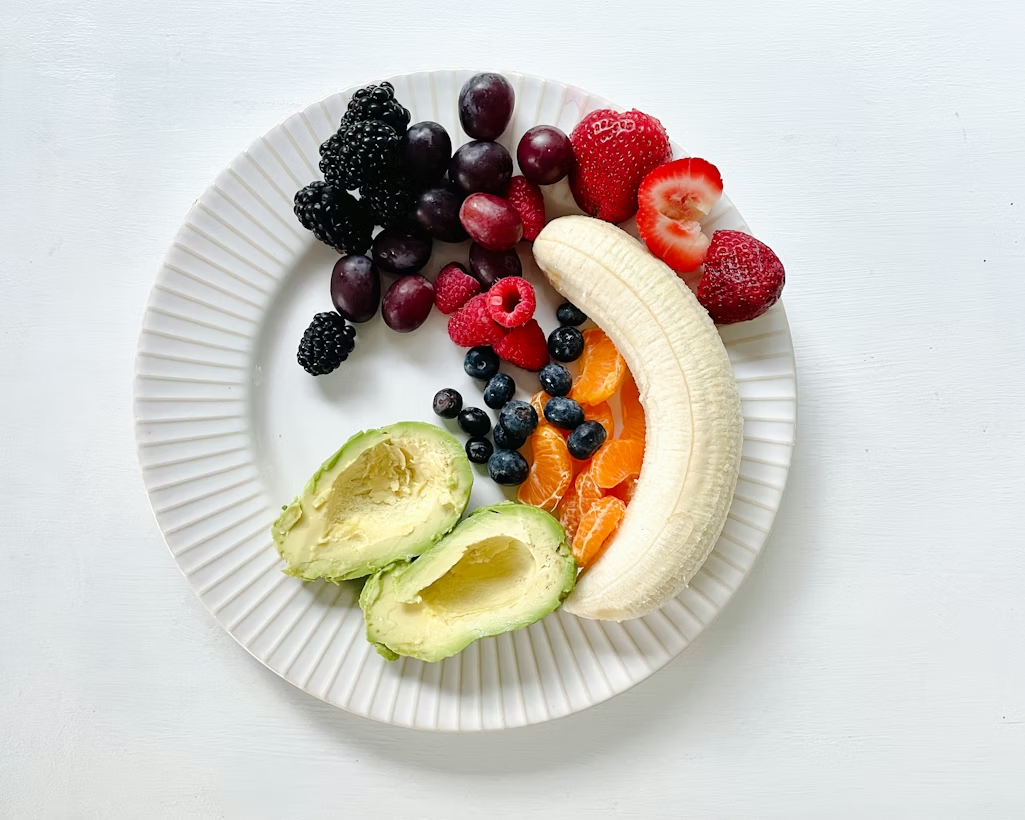
Introduction
Arthritis is more than joint pain—it is a chronic inflammatory condition that is deeply influenced by lifestyle, stress levels, sleep quality, and especially diet. Over the years, scientific studies have consistently shown that certain foods can either calm inflammation or worsen it. Because of this, patients often ask whether adopting an “anti-inflammatory diet” can actually reduce their arthritis symptoms.
As a rheumatologist, I regularly meet patients who notice clear differences in their pain levels depending on what they eat. Some experience more stiffness after consuming processed or high-sugar meals, while others report meaningful improvement after adopting a diet rich in vegetables, fruits, and healthy fats. Although diet alone cannot replace medication, the right nutritional choices can play an essential role in reducing inflammation and improving overall quality of life.
This guide provides a complete, science-based overview of the anti-inflammatory diet for arthritis—what to eat, what to avoid, and how to create a sustainable meal plan that truly supports joint health.
What Is an Anti-Inflammatory Diet?
An anti-inflammatory diet is a dietary pattern designed to reduce chronic inflammation in the body. Rather than focusing on strict restrictions, it emphasizes nutrient-dense whole foods that help regulate immune activity and decrease inflammatory markers such as CRP and IL-6.
👉 For a more detailed list of inflammation-fighting foods, see:
11 Best Anti-Inflammatory Foods for Arthritis Relief
How inflammation works
When the immune system becomes overactive, it releases chemicals—cytokines—that trigger swelling, pain, and tissue damage. In arthritis, this process becomes chronic. Certain foods, particularly processed carbohydrates, sugar, and trans fats, can stimulate these inflammatory pathways.
How diet influences inflammation
A growing body of research shows that diets rich in antioxidants, omega-3 fatty acids, fiber, and phytonutrients can lower inflammation levels.
Authoritative resources such as:
- Harvard T.H. Chan School of Public Health
- Arthritis Foundation
- Mayo Clinic
highlight the importance of plant-forward dietary patterns, including the Mediterranean diet and DASH diet, for supporting joint health.
Core principles of an anti-inflammatory diet
- Choose whole, unprocessed foods
- Prioritize vegetables, berries, and omega-3-rich foods
- Reduce added sugars and sugary drinks
- Avoid trans fats and highly processed snacks
- Maintain balanced intake of healthy fats (olive oil, nuts, seeds)
The Best Anti-Inflammatory Foods for Arthritis
A powerful anti-inflammatory diet is built around foods that reduce oxidative stress, regulate immune activity, and support joint tissue health. Scientific evidence consistently shows that certain foods contain bioactive compounds—such as polyphenols, omega-3 fatty acids, fiber, and antioxidants—that can meaningfully reduce inflammation.
As a rheumatologist, I often notice that patients who incorporate these foods into their regular meals tend to experience fewer morning stiffness episodes and report improved energy levels over time. While diet does not eliminate the need for medical therapy, these foods can meaningfully complement standard arthritis treatment.
1. Leafy Green Vegetables (Spinach, Kale, Swiss Chard)
Leafy greens are rich in antioxidants, vitamin C, vitamin K, folate, and phytonutrients. These nutrients help reduce oxidative stress—a key driver of joint inflammation.
👉 For a deeper breakdown of joint-friendly vegetables, read:
The Best Vegetables for Arthritis and Joint Pain Relief
Studies have shown that diets higher in leafy greens are linked with lower inflammatory markers such as CRP. They also support gut health, which is increasingly recognized as part of the immune–inflammation axis.
How to include them
- Add spinach to smoothies
- Use kale in salads or soups
- Stir-fry leafy greens with garlic and olive oil
Clinical insight:
Many of my patients with chronic stiffness report noticeable improvement when they consistently include leafy greens in their meals—especially during weeks when their stress or sleep patterns are less stable.
2. Fatty Fish (Salmon, Mackerel, Sardines)
Fatty fish are some of the richest natural sources of omega-3 fatty acids (EPA and DHA), which have strong anti-inflammatory properties. Omega-3s help suppress inflammatory cytokines involved in arthritis, including TNF-α and IL-6.
👉 If you need additional help choosing supplements, refer to:
Best Supplements for Joint Pain Relief: What Really Works
Numerous studies demonstrate that regular consumption of omega-3–rich fish can reduce joint tenderness and morning stiffness in patients with rheumatoid arthritis.
How to include them
- Eat fatty fish 2–3 times per week
- Choose grilled, baked, or steamed preparations
- Consider an omega-3 supplement if fish intake is low (discuss with your doctor)
3. Berries (Blueberries, Strawberries, Blackberries)
Berries are packed with anthocyanins—potent antioxidants that reduce oxidative stress and inflammation.
👉 See related content:
The Best Fruits for Arthritis and Joint Pain Relief
They also contain high levels of fiber and vitamin C, both of which support immune health.
How to include them
- Add to yogurt or oatmeal
- Use in smoothies
- Eat as a fresh snack instead of processed sweets
4. Olive Oil (Especially Extra-Virgin Olive Oil)
Olive oil contains oleocanthal, a natural compound shown to have effects similar to NSAIDs in reducing inflammation.
The Mediterranean diet, one of the most researched anti-inflammatory dietary patterns, uses olive oil as its primary fat source.
How to include it
- Use as salad dressing
- Drizzle over vegetables
- Replace butter or processed oils in cooking
5. Nuts and Seeds (Walnuts, Almonds, Chia, Flaxseed)
Nuts and seeds deliver fiber, healthy fats, and plant-based omega-3s (ALA). These nutrients support heart health and reduce inflammation.
How to include
- Add to salads or breakfast bowls
- Use chia or flaxseed in smoothies
- Snack on a handful of nuts instead of processed chips
6. Whole Grains (Oats, Brown Rice, Quinoa, Barley)
Whole grains are high in fiber, which helps regulate blood sugar levels and reduces inflammation. Excess refined carbohydrates can worsen inflammation by spiking glucose and insulin.
Choosing whole grains over white rice or white bread is an easy but powerful dietary upgrade for many arthritis patients.
7. Turmeric and Ginger
Turmeric contains curcumin, known for its potent anti-inflammatory effects. Ginger has similar properties and may help reduce muscle soreness and morning stiffness.
How to include
- Add turmeric to soups or rice
- Ginger tea
- Turmeric + black pepper combinations to improve absorption
Clinical insight:
I often see patients benefit when they add small but consistent amounts of turmeric or ginger into their daily routine. The effects are subtle but noticeable over several weeks.
8. Legumes (Lentils, Chickpeas, Beans)
Legumes provide plant-based protein, fiber, and minerals. They help stabilize blood sugar and improve gut microbiome diversity—both of which support inflammation control.
Foods to Avoid: What Can Make Arthritis Worse
While an anti-inflammatory diet focuses on nutrient-rich foods that calm inflammation, it is equally important to recognize which foods can worsen joint pain and increase inflammatory activity. Many patients notice that certain meals lead to more swelling, stiffness, or fatigue—patterns that are also supported by scientific evidence.
As a rheumatologist, I frequently see patients who report “bad flare days” following weekends or holidays when they consume more processed foods, sweets, alcohol, or salty snacks. These food choices can elevate inflammatory cytokines, increase water retention, and aggravate underlying joint pain.
1. Sugary Foods and Desserts
Pastries, cakes, candies, and other sugary foods can trigger a spike in blood glucose and insulin levels, which, in turn, promote inflammation.
👉 For a full list of common flare triggers, see:
Foods That Trigger Arthritis Pain: You Must Avoid
High sugar intake is linked to elevated CRP levels, worsening overall inflammation and fatigue.
Examples
- Cakes, cookies, donuts
- Sweetened cereals
- Chocolate bars
- Ice cream
Clinical insight:
Several of my patients experience increased morning stiffness after evenings where they consume sugary snacks or desserts, especially when combined with poor sleep.
2. Sugary Drinks and Energy Drinks
Sodas, fruit juices with added sugar, sweetened coffees, and energy drinks are among the worst offenders.
They deliver large amounts of sugar quickly, causing metabolic stress and inflammatory responses.
👉 Related reading:
5 Toxic Drinks That Trigger Arthritis and Joint Pain
Examples
- Soft drinks
- Sweetened coffee beverages
- Bottled teas
- Sports drinks & energy drinks
3. Processed Snacks (Chips, Crackers, Packaged Cookies)
Processed snacks contain:
- Trans fats
- Excessive omega-6 fatty acids
- Artificial additives
- High sodium
These ingredients contribute to inflammation, water retention, and worsening joint discomfort.
Examples
- Potato chips
- Cheese crackers
- Packaged cookies
- Instant baked goods
4. Processed and Red Meats
Red meats—especially processed forms—contain high levels of saturated fats and compounds that promote inflammation.
Advanced glycation end products (AGEs) formed during high-temperature cooking further worsen inflammatory pathways.
Examples
- Bacon
- Sausages
- Salami
- Steak cooked at high heat (grilling, frying)
5. Excessive Dairy Products
Some patients with arthritis experience worsening pain or stiffness after consuming dairy products, especially if they have underlying lactose intolerance or casein sensitivity.
👉 Learn more:
Is Dairy Bad for Arthritis and Joint Pain?
Examples
- Whole milk
- Cheese
- Butter and cream
- Ice cream
Clinical insight:
I have treated patients whose symptoms clearly improved after reducing high-fat dairy intake, though not everyone is sensitive. I typically recommend a 2–4 week trial to observe individual responses.
6. Refined Carbohydrates (White Bread, White Rice, Pastries)
Refined grains cause rapid spikes in blood sugar, increasing inflammation and promoting weight gain—both of which worsen arthritis symptoms.
Examples
- White bread
- White pasta
- White rice
- Pizza crust
- Bagels
7. Alcohol (Excessive Intake)
Moderate alcohol may be tolerated by some patients, but higher intake can cause inflammation, worsen sleep, increase fatigue, and trigger gout flares.
Most problematic forms
- Beer
- High-sugar cocktails
- Excessive wine consumption
8. Deep-Fried Foods
Frying produces harmful compounds such as trans fats and AGEs, which significantly increase inflammation.
Examples
- Fried chicken
- Tempura
- Fries
- Doughnuts
9. Artificial Sweeteners (Certain Types)
Some artificial sweeteners—particularly those found in diet sodas and sugar-free processed products—may alter gut microbiome balance, which can indirectly influence inflammation.
Examples
- Diet sodas
- Sugar-free candies
- Low-calorie syrups
1-Week Anti-Inflammatory Meal Plan
Creating an anti-inflammatory diet doesn’t have to be complicated. The key is choosing whole, nutrient-dense foods that calm inflammation while avoiding processed ingredients that trigger flares. Below is a simple, balanced, Western-style 7-day meal plan designed to reduce inflammation and support joint health.
As a rheumatologist, I often recommend a flexible approach rather than strict dietary rules. Many patients find success by following a pattern like the one below—rich in vegetables, whole grains, lean proteins, berries, nuts, and healthy fats.
A practical weekly meal plan helps patients adopt healthy habits consistently. Balanced diets also assist with weight control, which indirectly reduces arthritis symptoms.
👉 Additional reading:
Does Losing Weight Really Help Arthritis Pain?
| Day | Breakfast | Lunch | Dinner | Snack |
|---|---|---|---|---|
| Day 1 | Greek yogurt with blueberries, walnuts, honey | Quinoa salad (tomatoes, cucumbers, chickpeas, olive oil, lemon) | Grilled salmon with broccoli & brown rice | Apple slices with almond butter |
| Day 2 | Oatmeal with strawberries, chia seeds, cinnamon | Whole-grain wrap (turkey, spinach, avocado) | Lentil soup with mixed greens | Mixed nuts |
| Day 3 | Smoothie (spinach, banana, berries, flaxseed, oat milk) | Mediterranean bowl (hummus, olives, tomatoes, cucumbers, whole-grain pita) | Baked cod with sweet potatoes & kale | Carrot sticks with hummus |
| Day 4 | Scrambled eggs + spinach + tomatoes + whole-grain toast | Chickpea & vegetable stew | Grilled chicken with quinoa & Brussels sprouts | Orange slices or dark chocolate |
| Day 5 | Overnight oats with berries & pumpkin seeds | Mixed greens with grilled shrimp & avocado | Whole-grain pasta with tomato-basil sauce & mushrooms | Almonds |
| Day 6 | Greek yogurt parfait with raspberries, granola, chia | Tuna salad with celery, herbs, lemon + whole-grain crackers | Baked chicken thighs with carrots & brown rice | Fresh berries |
| Day 7 | Smoothie bowl (banana, almonds, flaxseed) | Grilled vegetable & quinoa bowl (optional feta) | Grilled mackerel with garlic-roasted cauliflower | Walnuts |
My Clinical Insights as a Rheumatologist
Over years of treating patients with rheumatoid arthritis, osteoarthritis, and other inflammatory conditions, I have consistently observed that dietary patterns play a meaningful—though often underestimated—role in symptom fluctuations. While medication remains the foundation of arthritis management, nutrition frequently influences the “good days and bad days” that patients describe in clinic.
Below are several consistent patterns I frequently encounter in practice.
1. Patients with Consistent Diets Experience Fewer Flares
One of the most common patterns I see is that patients who follow a stable, balanced diet—rich in vegetables, whole grains, fatty fish, and berries—tend to experience fewer flare-ups compared with those who alternate between healthy periods and heavily processed eating.
Even moderate dietary consistency appears to help stabilize energy levels and reduce morning stiffness.
2. Weekend Eating Patterns Can Trigger Noticeable Symptoms
Many patients tell me that their symptoms worsen after weekends or social gatherings where they consumed alcohol, fried foods, or sugary snacks.
This pattern is so common that I often ask patients about their “weekend diet” when they come in reporting a sudden increase in pain.
The explanation is straightforward: sudden surges in sugar, salt, and inflammatory fats can increase cytokine activity and fluid retention, leading to joint discomfort.
3. Individual Food Sensitivities Are Real—and Vary Widely
Although not every patient reacts to dairy, gluten, or caffeinated drinks, some individuals clearly do.
I often recommend a 2–4 week elimination trial for patients who suspect certain foods worsen their symptoms.
Many patients are surprised by how much their fatigue, swelling, or morning stiffness improves when they temporarily avoid a suspected trigger.
4. Patients Who Combine Diet + Medication Often Improve the Most
The best outcomes typically occur in patients who follow medical therapy and make gradual, sustainable dietary changes.
Even small adjustments—such as replacing sugary beverages with water, eating fatty fish twice a week, or switching to whole grains—can amplify the effects of their treatment.
I regularly see improved energy, fewer sleep disturbances, and reduced flare frequency in patients who adopt this combined approach.
5. Diet Alone Cannot Replace Medication—But It Can Reduce the Burden of Symptoms
A common misconception is that an anti-inflammatory diet can eliminate the need for arthritis medications.
In reality, diet works with, not instead of, medical therapy.
My clinical impression is clear:
Patients who optimize both their medication regimen and their nutritional habits almost always achieve better long-term outcomes, greater physical function, and improved quality of life.
👉 For lifestyle improvements that reinforce dietary changes, see:
5 Daily Habits to Improve Life with Arthritis
References
Harvard T.H. Chan School of Public Health – Nutrition Source
Anti-inflammatory diet overview, nutrient guidelines, and research summaries.
https://www.hsph.harvard.edu/nutritionsource/anti-inflammatory-diet/
Arthritis Foundation
Evidence-based lifestyle recommendations for arthritis management and dietary guidance.
https://www.arthritis.org/health-wellness
Mayo Clinic – Inflammation & Nutrition
Clinical explanations on inflammation, diet patterns, and chronic disease.
https://www.mayoclinic.org
National Institutes of Health (NIH)
Research on dietary polyphenols, omega-3 fatty acids, antioxidants, and inflammation pathways.
https://www.nih.gov
Johns Hopkins Medicine – Arthritis Center
Expert-reviewed resources on rheumatoid arthritis, osteoarthritis, and related conditions.
https://www.hopkinsmedicine.org/arthritis
British Dietetic Association (BDA)
Evidence-based dietary guidance for inflammatory conditions and chronic disease management.
https://www.bda.uk.com
National Institute of Allergy and Infectious Diseases (NIAID)
Research related to immune function and inflammatory response.
https://www.niaid.nih.gov