
The Worst Foods for Arthritis: A Rheumatologist’s Evidence-Based Guide to Reducing Inflammation
Uncategorized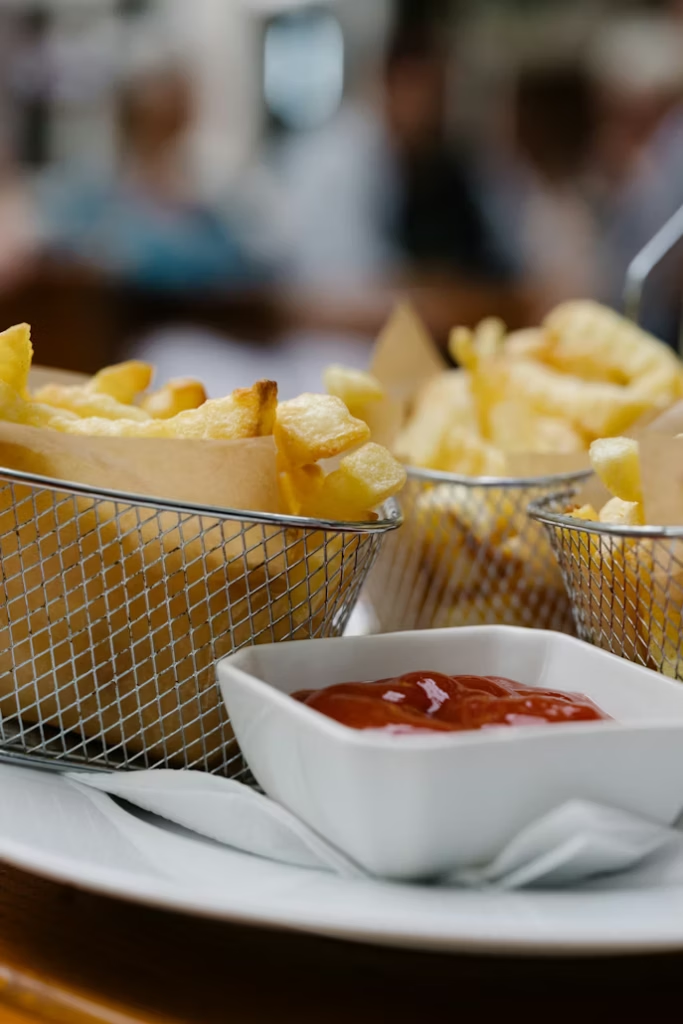
🟦 INTRODUCTION
Many arthritis patients notice that certain foods make their joint pain worse—sometimes within hours. Although medications remain the foundation of arthritis treatment, diet plays a critical role in inflammation, swelling, and daily symptom fluctuations.
As a rheumatologist, I frequently meet patients who report “bad flare days” after weekends, holidays, or stressful periods when they consume more processed foods, sugary drinks, or fried meals. These patterns are not coincidences—modern nutrition research clearly shows that certain foods can worsen inflammatory pathways and aggravate arthritis symptoms.
In this comprehensive guide, we explore the worst foods for arthritis, the science behind why they trigger inflammation, and how to make sustainable dietary changes that support long-term joint health.
🟦 Why Certain Foods Trigger Arthritis Pain
1. Inflammation pathways
Certain foods activate inflammatory cytokines such as TNF-α, IL-1β, and IL-6. These cytokines contribute to joint swelling, stiffness, fatigue, and pain—especially in rheumatoid arthritis and osteoarthritis.
2. Oxidative stress
Foods high in sugar, trans fats, or processed ingredients increase oxidative stress. This accelerates cartilage breakdown and worsens joint pain.
3. Gut–immune interactions
Poor dietary choices alter the gut microbiome, increasing intestinal permeability (“leaky gut”) and amplifying systemic inflammation.
🟦 The 10 Worst Foods for Arthritis (Evidence-Based)
1. Sugary foods and desserts
Cakes, pastries, donuts, candies, and sweetened snacks cause rapid glucose spikes, increasing inflammatory cytokines.
👉 Foods That Trigger Arthritis Pain: You Must Avoid
2. Sugary drinks (soda, energy drinks, sweetened coffee)
These beverages deliver massive sugar loads in seconds, triggering inflammation and worsening fatigue.
👉 5 Toxic Drinks That Trigger Arthritis and Joint Pain
3. Processed snacks
Chips, crackers, packaged cookies often contain trans fats, sodium, and preservatives—all known to increase inflammation.
4. Red and processed meats
High in saturated fats, nitrates, AGEs (advanced glycation end products), and inflammatory compounds.
5. Refined carbohydrates
White bread, pasta, pastries, crackers, and instant noodles raise blood sugar quickly and heighten inflammation.
👉 Is Bread Bad for Arthritis? 5 Things You Should Know
6. Excessive dairy products
Some patients experience flare-ups after consuming certain dairy proteins such as casein.
👉 Is Dairy Bad for Arthritis and Joint Pain?
7. Alcohol (especially beer and sugary cocktails)
Alcohol increases inflammation, disrupts sleep, and can trigger both arthritis and gout flare-ups.
8. Deep-fried foods
Frying produces inflammatory compounds such as trans fats and AGEs.
9. Foods high in omega-6 oils
Vegetable oils like corn, soybean, and sunflower oil can increase pro-inflammatory pathways when consumed excessively.
10. Artificial sweeteners
Some sweeteners alter gut bacteria, increasing inflammation in sensitive individuals.
🟦 What to Eat Instead (Anti-Inflammatory Alternatives)
A sustainable arthritis diet focuses on replacing trigger foods with natural, whole, anti-inflammatory ingredients.
- Berries instead of sugary desserts
- Fatty fish instead of processed meats
- Whole grains instead of refined carbs
- Olive oil instead of vegetable oils
- Nuts and seeds instead of chips
- Turmeric + ginger instead of salty snacks
👉 11 Best Anti-Inflammatory Foods for Arthritis Relief
🟦 My Clinical Insights as a Rheumatologist
1. Weekends & holidays = flare triggers
Patients often report flares after periods of social eating—buffets, drinking, fried food, and desserts.
2. One food does not trigger all patients
Some patients react to dairy, others to refined carbs, and others to alcohol.
3. Eliminating ALL trigger foods is impossible
But reducing high-risk foods by 20–30% consistently yields better symptom control.
4. Diet + medication = best outcomes
Patients who combine DMARDs/biologics with anti-inflammatory diets improve faster and more sustainably.
👉 5 Daily Habits to Improve Life with Arthritis
🟦 Summary & Key Takeaways
- Certain foods significantly worsen inflammation
- Sugar, refined carbs, processed meats, and fried foods are high-risk
- Alcohol and sugary drinks are major flare triggers
- Diet alone cannot replace medication
- Replacing inflammatory foods with anti-inflammatory choices yields consistent benefit
🟦 References
Harvard T.H. Chan School of Public Health – Nutrition Source
Anti-inflammatory diet overview, nutrient guidelines, and research summaries.
https://www.hsph.harvard.edu/nutritionsource/anti-inflammatory-diet/
Arthritis Foundation
Evidence-based lifestyle recommendations for arthritis management and dietary guidance.
https://www.arthritis.org/health-wellness
Mayo Clinic – Inflammation & Nutrition
Clinical explanations on inflammation, diet patterns, and chronic disease.
https://www.mayoclinic.org
National Institutes of Health (NIH)
Research on dietary polyphenols, omega-3 fatty acids, antioxidants, and inflammation pathways.
https://www.nih.gov
Johns Hopkins Medicine – Arthritis Center
Expert-reviewed resources on rheumatoid arthritis, osteoarthritis, and related conditions.
https://www.hopkinsmedicine.org/arthritis
British Dietetic Association (BDA)
Evidence-based dietary guidance for inflammatory conditions and chronic disease management.
https://www.bda.uk.com
National Institute of Allergy and Infectious Diseases (NIAID)
Research related to immune function and inflammatory response.
https://www.niaid.nih.gov