
The Best Vegetables for Arthritis and Joint Pain Relief — Backed by Nutrition Science
Diet & Arthritis Anti-Inflammatory Diet, Arthritis, Joint Pain, Nutrition, Vegetables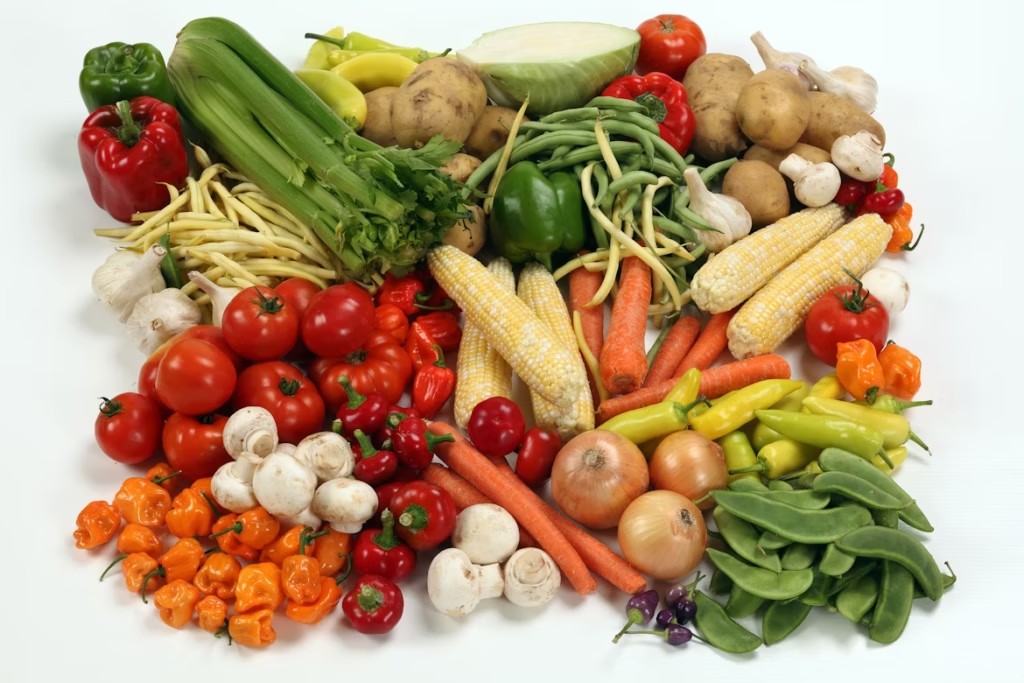
Introduction: Why Vegetables Matter for Joint Health
When people think of arthritis management, they usually think of medication.
But research shows that what you eat can be just as important — especially vegetables.
Many vegetables contain antioxidants, polyphenols, and plant-based nutrients that directly reduce inflammation, protect cartilage, and improve energy levels.
Let’s explore which vegetables have the strongest scientific evidence for joint pain relief, how to include them in your daily meals, and what combinations work best.
🧬 1. Leafy Greens — The Anti-Inflammatory Foundation
Spinach, kale, and Swiss chard are rich in vitamin K, folate, and antioxidants such as lutein and beta-carotene.
These compounds neutralize free radicals and slow down inflammatory cytokines that drive arthritis pain.
🧠 Study insight: A 2017 Annals of Rheumatic Diseases review found that people with higher vitamin K intake had significantly lower cartilage loss on knee MRI scans.
Add it to your day:
- Blend spinach into smoothies
- Stir-fry kale with olive oil and garlic
- Add Swiss chard to soups for color and nutrients
🌿 2. Cruciferous Vegetables — Natural Joint Protectors
Broccoli, cauliflower, cabbage, and Brussels sprouts contain sulforaphane, a plant compound shown to block cartilage-damaging enzymes.
🧬 In animal studies, sulforaphane reduced joint destruction by inhibiting NF-κB, a key inflammatory pathway.
Pro tip: Lightly steam broccoli or cauliflower — high heat destroys sulforaphane, while gentle cooking preserves it.
🍅 3. Tomatoes — Lycopene Against Inflammation
Tomatoes (especially cooked ones) are rich in lycopene, which reduces oxidative stress in joint tissues.
They also provide vitamin C, needed for collagen production and cartilage repair.
💡 Tip: Combine tomatoes with olive oil — it increases lycopene absorption and doubles the anti-inflammatory effect.
🧄 4. Garlic and Onions — Small Vegetables, Big Impact
Both garlic and onions belong to the allium family, known for their sulfur compounds that suppress pro-inflammatory cytokines (like IL-6 and TNF-α).
Garlic intake is also linked to lower RA flare frequency in observational studies.
Plus, sulfur supports the body’s production of glutathione, a master antioxidant crucial for joint protection.
Simple habit: Add raw or roasted garlic to vegetables, soups, or salad dressings daily.
🥕 5. Carrots and Bell Peppers — Colorful Sources of Vitamin C
Carrots, red bell peppers, and other brightly colored vegetables are high in beta-carotene and vitamin C, which support cartilage regeneration and reduce morning stiffness.
📊 A study in the American Journal of Clinical Nutrition found that people who consumed the most vitamin C–rich vegetables had a 50% lower risk of developing inflammatory arthritis.
Try this combo: Roast carrots, red peppers, and onions together for a vibrant anti-inflammatory side dish.
🧘 Bonus: The Rainbow Rule
The key isn’t just one vegetable — it’s variety.
Different colors represent different phytonutrients, and together they cover multiple inflammatory pathways.
- 🟩 Green → Vitamin K & folate (spinach, kale)
- 🟪 Purple → Anthocyanins (eggplant, red cabbage)
- 🟧 Orange → Beta-carotene (carrot, pumpkin)
- 🔴 Red → Lycopene (tomatoes, peppers)
💬 Frequently Asked Questions (FAQ)
Q1. Can vegetables really replace medication for arthritis?
❌ No — but they can enhance medication effectiveness and reduce the need for higher doses over time.
Q2. Are nightshade vegetables (like tomatoes and peppers) bad for arthritis?
✅ For most people, no. Research hasn’t proven that nightshades worsen inflammation. Avoid only if you notice personal sensitivity.
Q3. What’s the best way to cook vegetables for arthritis?
🥦 Steaming, roasting, or lightly sautéing helps retain antioxidants — avoid deep frying or overboiling.
Aim to “eat the rainbow” daily — not just for your joints, but for your entire immune system.
Related Posts