
Can Rheumatoid Arthritis Affect the Lungs? 5 Important Facts
Rheumatoid Arthritis FAQ Interstitial Lung Disease, Lung Disease, RA Complications, Rheumatoid Arthritis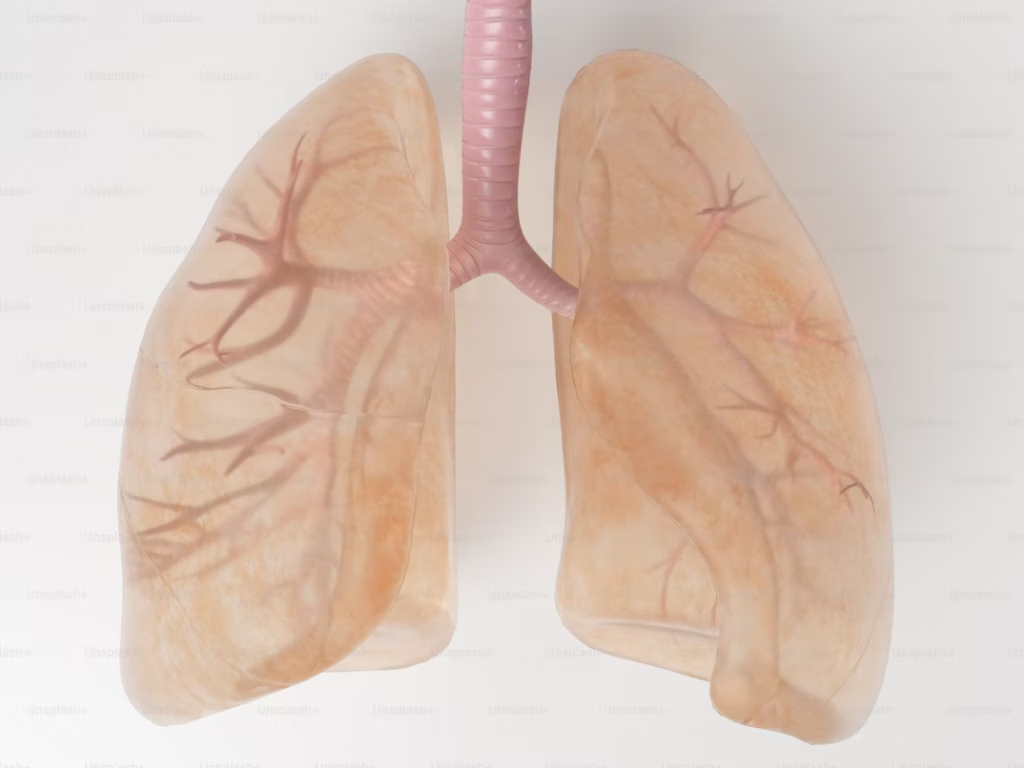
Introduction
Patients often ask: can rheumatoid arthritis affect the lungs? Although RA is usually known for joint pain and stiffness, it is a systemic autoimmune disease that can involve other organs. The lungs are among the most commonly affected areas outside the joints. Recognizing these complications early is important for preserving quality of life (Mayo Clinic – Rheumatoid Arthritis Overview).
1. Interstitial Lung Disease (ILD)
One of the most serious rheumatoid arthritis lung complications is interstitial lung disease. ILD causes scarring in the lungs, leading to coughing, shortness of breath, and reduced oxygen exchange. RA patients with longstanding disease or those on certain medications (like methotrexate) may be at higher risk.
2. Rheumatoid Nodules in the Lungs
Just as nodules can appear under the skin, some patients develop lung nodules. These are usually noncancerous and may not cause symptoms, but in rare cases they can lead to complications such as infections or collapsed lung.
3. Pleuritis and Fluid Around the Lungs
RA can cause inflammation of the pleura (the lining around the lungs), a condition known as pleuritis. This may result in chest pain and difficulty breathing. Sometimes fluid builds up, leading to what doctors call a pleural effusion.
4. Increased Risk of Infections
Because RA patients often take immunosuppressive medications, they are more vulnerable to respiratory infections such as pneumonia. This adds to the burden of lung complications in RA and makes vaccination and preventive care especially important.
5. Monitoring and Early Detection
The best way to protect lung health in RA is through regular check-ups. Pulmonary function tests, imaging, and early evaluation of new symptoms (like chronic cough or shortness of breath) can detect problems early. Patients who are already worried about long-term medication effects—such as those seen in prednisone use in RA—should be especially vigilant about lung monitoring.
Conclusion
So, can rheumatoid arthritis affect the lungs? Yes. Complications such as interstitial lung disease, nodules, pleuritis, and infections are all possible. Fortunately, with early detection and proper management, many of these issues can be controlled. Protecting lung health is just as important as protecting the joints. For more detailed information, visit the NIH Rheumatoid Arthritis Overview.